
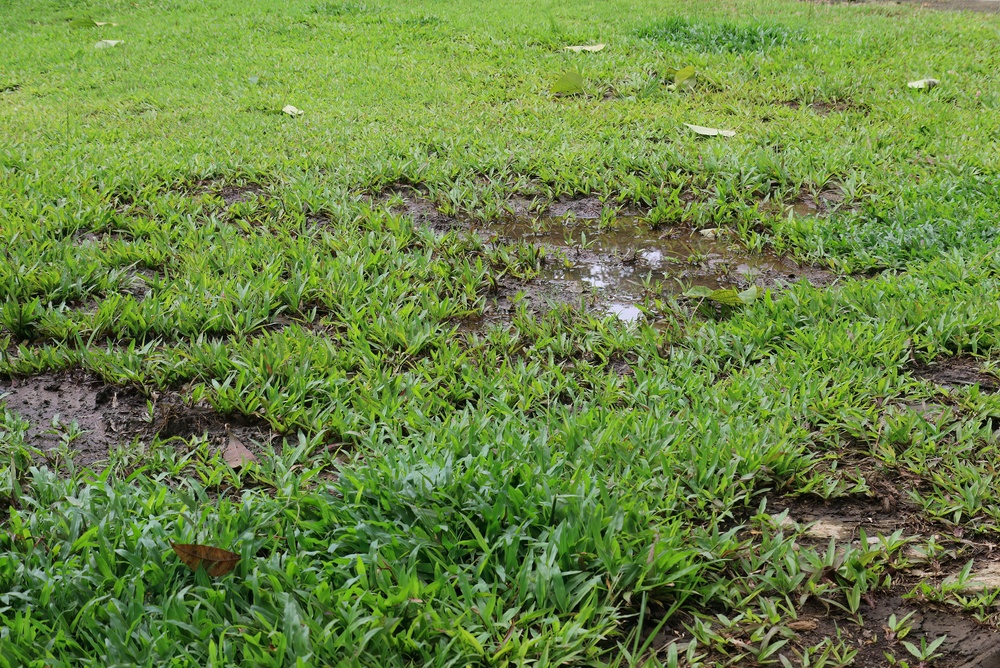
Water can collect in a Louisiana yard after heavy rain, but it should not stay there for days. Standing water often means the soil, slope, gutters, or drainage system cannot move water away fast enough. Louisiana’s flat land, clay soil, and frequent storms can make the problem worse. Professional drainage solutions in Louisiana can help protect the lawn, plants, driveway, and foundation from long-term water damage.
Your Yard Does Not Have the Right Slope
A yard needs a gentle slope that moves rainwater away from the house. If the land is flat or slopes toward the building, water may settle near the foundation. Low spots can also form when soil sinks or washes away. These areas act like small bowls that hold water after every storm. Yard grading can reshape the ground and guide water toward a safe drainage area.
Louisiana Soil Drains Slowly
Many parts of Louisiana have soil with a high amount of clay. Clay soil holds water and drains more slowly than loose, sandy soil. During a long or heavy storm, the ground can become fully soaked. New rain then stays on the surface because it has nowhere to go. Soil compaction from heavy equipment, foot traffic, or construction can make drainage even slower. A yard drainage system may be needed when the soil cannot absorb water fast enough.
Heavy Rain Overloads the Property
Louisiana often receives large amounts of rain in a short time. Even a yard that drains well during light rain may flood during a strong storm. Water can flow in from nearby streets, roofs, driveways, and neighboring properties. If the yard is one of the lowest areas nearby, much of that runoff may settle there. Surface drains, drainage ditches, swales, and underground drainage pipes can help carry extra water away.
Gutters Are Sending Water to the Wrong Place
A roof can collect hundreds of gallons of water during a storm. Gutters and downspouts should move this water away from the house. If a gutter is clogged, broken, or too small, water may spill beside the foundation. A short downspout can also release water into the same part of the yard after every rain. Extending the downspout or connecting it to an underground drain can move the water to a safer location.
The Yard Has Low Spots
Small dips in the lawn can collect water even when the rest of the property drains well. Low areas in a yard may develop after construction, tree removal, underground pipe work, or natural soil settling. Water that sits in these spots can harm grass and turn the soil into mud. Filling and grading the low area may solve a small problem. Larger or repeated pools of water may need a catch basin or another landscape drainage solution.
A Drainage Pipe May Be Blocked
Some properties already have underground pipes, French drains, or catch basins. These systems can stop working when they fill with soil, leaves, roots, or other debris. A crushed or poorly placed pipe may also trap water instead of carrying it away. Signs of a blocked drainage system include slow drainage, overflowing basins, or water returning to the same area after each storm. The system should be inspected to find the exact source of the blockage.
Hard Surfaces Create More Runoff
Concrete patios, driveways, sidewalks, and other hard surfaces do not absorb rain. Water runs off them and enters the yard. A new driveway or patio may change how water moves across the property, especially if it slopes toward the house or lawn. Adding drains along the edge of the concrete can collect this runoff. Channel drains and catch basins may help keep water from settling near paved areas.
Poor Drainage Can Damage Your Property
Poor yard drainage does more than create a wet lawn. It can kill grass, damage plants, attract insects, and create deep muddy areas. Water near the house may also place pressure on the foundation or enter a crawl space. Constant moisture can weaken fences, sheds, patios, and walkways. Fixing the drainage problem early can help prevent larger repairs and make the yard easier to use.
The Right Drainage Solution Depends on the Cause
Not every wet yard needs the same repair. Some properties need better grading, while others need a French drain, catch basin, subsurface drainage pipe, ditch, or downspout extension. The location where the water enters and the direction it needs to travel will guide the plan. A drainage professional should inspect the yard slope, soil, nearby structures, and existing drainage system before recommending a repair.
Improve Your Yard Drainage With Cajun Care LLC
Water may keep collecting because of poor grading, slow-draining soil, blocked pipes, roof runoff, or low areas in the yard. Cajun Care LLC provides yard grading, subsurface drainage, ditch work, yard cleanup, and property improvements for homes and businesses. Contact Cajun Care LLC today to request a free estimate and find the right drainage solutions in Louisiana for your property.