
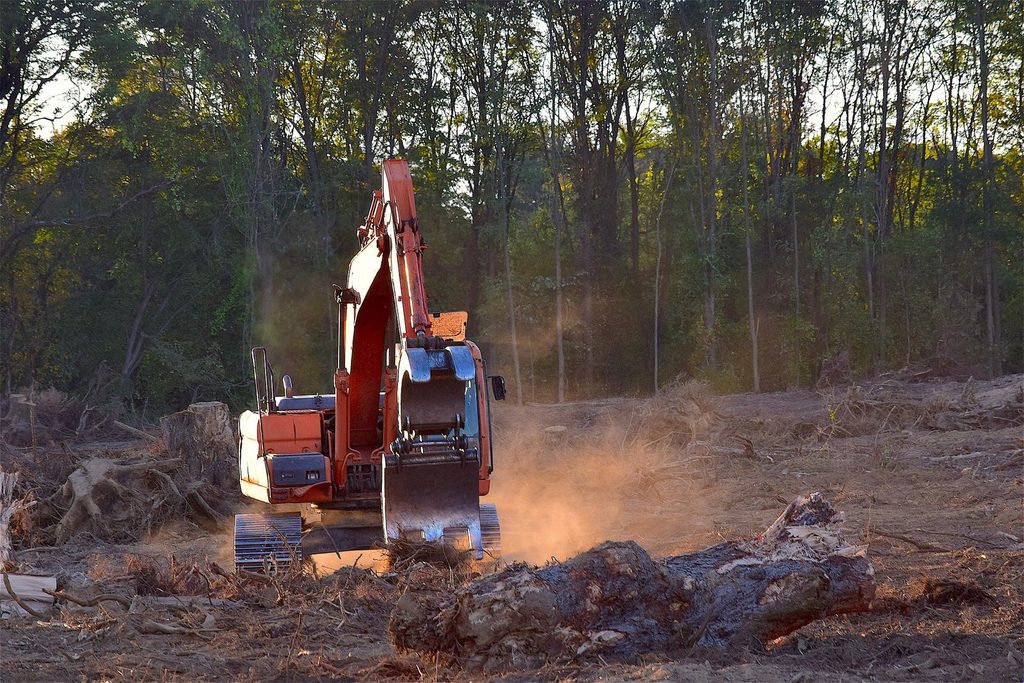
Before a new home or building can go up, the ground needs to be ready for the work. Trees, thick brush, old stumps, and buried debris can block access and hide problems on a lot. Clearing the right areas gives crews room to work and makes the site easier to inspect. At Cajun Care Demolition & Tree Service, we provide land clearing, tree care, and demolition in New Orleans to help property owners prepare for construction. A clear plan at the start can prevent extra work later.
Make Room for the Building and Work Areas
A construction site needs more open space than the area where the building will stand. Crews also need room for equipment, material deliveries, and safe paths around the work. Land clearing before construction removes growth and obstacles from the areas marked in your site plan. This may include the future driveway, utility routes, and places where supplies will be stored. Good site planning also identifies trees and plants that can stay. Clearing should follow the project’s needs rather than removing every tree and shrub across the entire property.
Make the Ground Easier to Inspect
Thick grass and brush can hide more than uneven ground. An overgrown lot may contain old fence wire, dumped concrete, trash, or parts of a former structure. Overgrown lot clearing makes these items easier to find before digging begins. It also gives the project team a better view of low spots, ditches, and changes in the land’s slope. These details can affect access, drainage, and the work needed for the building pad. Clearing helps expose the site, but it does not replace soil testing or other checks required for the foundation design.
Give Equipment and Delivery Trucks Better Access
Excavators, concrete trucks, and delivery vehicles need a planned route onto the lot. Narrow entrances, low branches, and thick growth can make access difficult. Poor access may mean crews spend time clearing a path when they should be working on the building. Construction site access should be planned around the equipment needed and the space available. Professional tree removal services can help open the agreed work areas while keeping nearby trees out of the equipment route. The plan should also account for overhead lines, buried utilities, fences, and neighboring properties.
Prepare for Grading and Drainage Work
The land’s shape affects where rainwater collects and how it moves across the property. Once brush and other obstacles are removed, crews can better review the areas that need shaping. Site grading may involve cutting down high spots, filling low areas, or forming a suitable building pad. Clearing and grading are separate jobs, so your estimate should explain which work is included. If the lot has standing water or poor runoff, drainage solutions should be planned with the project. Removing plants alone will not correct a drainage problem.
Address Stumps and Roots in Building Areas
Cutting down a tree does not remove everything below it. Stumps and large roots can remain where the foundation, driveway, or utility trenches are planned. Stump and root removal may be needed in these areas so the ground can be prepared for its intended use. Grinding a stump below the surface does not remove the full root system. That difference matters on a construction site. Discuss the building plans with the contractor so the foundation preparation work addresses buried wood and any disturbed soil that must be handled before construction moves ahead.
Coordinate Clearing With Demolition and Excavation
Some lots need more than trees and brush removed. An old shed, damaged house, driveway, or concrete slab may stand in the way of the new design. When a project includes demolition in New Orleans, plan the removal work alongside clearing and equipment access. This helps crews agree on which structures, surfaces, and trees will stay. Later, excavation services can address digging, soil movement, and other ground work. Planning the order of these jobs can reduce repeated trips and confusion between crews.
Define the Work Before Clearing Begins
Start with marked property lines and a site plan showing the proposed building and access routes. Identify trees to keep, check what approvals apply, and arrange utility locating before digging or stump removal. A written land clearing estimate should explain the work area, trees and brush being removed, and how debris will be handled. Ask whether hauling, disposal, stump work, and grading are included. Clear details make site preparation costs easier to compare. They also help prevent a low initial quote from leaving out work your builder needs completed.
Get Your Lot Ready for New Construction
A well-planned clearing job gives your project team a more open, usable site for the next stage of work. It helps address obstacles early and creates room for equipment, grading, and building preparation. Cajun Care Demolition & Tree Service can discuss the clearing, removal, and cleanup your property needs. If you are planning land clearing in New Orleans, call (504) 226-7829 for a free estimate. Tell us about the lot, the planned construction, and the trees or structures you want to keep.